
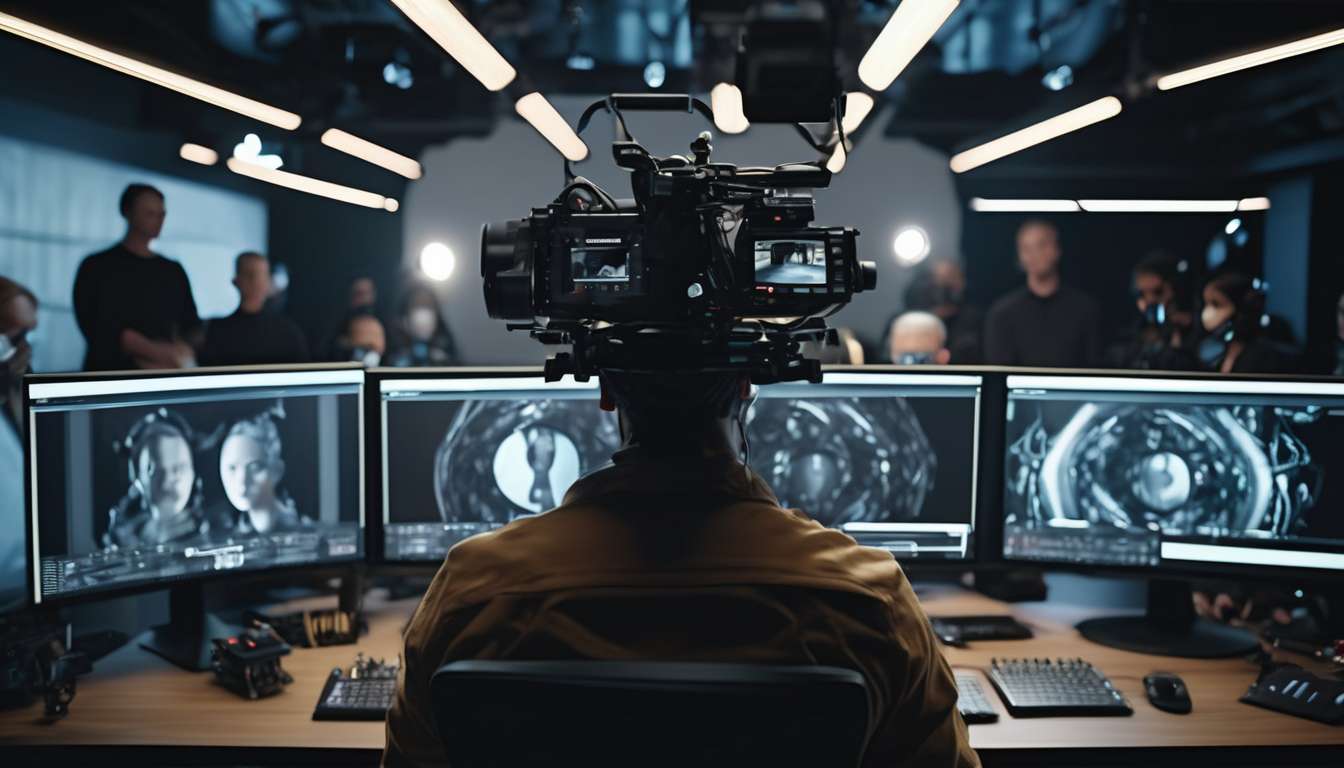
Unseen gears beneath a velvet curtain: technology is rewriting the choreography of adult film production. Cameras powered by AI, decentralized distribution, and virtual sets dissolve physical limits and change how scenes are conceived and executed.
We shape our tools, and thereafter our tools shape us: algorithms now suggest shot lists, motion‑capture rigs translate intimate movement into data, and real‑time rendering lets performers inhabit scenes that would once have been impossible.
Ethics, consent, and artistry must be negotiated as the tech evolves.
- Performers and technicians must retain agency over how their likenesses, movement, and work are used.
- Consent workflows need to be explicit, auditable, and portable across platforms.
- Compensation models should evolve to match new revenue channels and protect labor rights.
Automation brings efficiencies but also risks to humane labor practices.
- Balance automation with human oversight to avoid deskilling and exploitation.
- Design systems that augment performers and crews, not replace their decision‑making or bargaining power.
Synthetic media (deepfakes, avatars, AI‑generated content) both challenges and enables authenticity.
- Deepfakes can undermine trust and violate rights if misused.
- When used with affirmative, revocable consent, synthetic tools can expand expression and safety options (e.g., anonymized performances, body doubling, bespoke avatars).
Compressed production pipelines and fragmented immersive audiences require intentional platform design.
- Prioritize safety features (identity verification, consent logs, content provenance).
- Build transparent monetization and rights management so creators are fairly compensated.
- Ensure interoperability so performers’ choices carry across emerging formats (AR/VR, decentralized platforms).
The central question: how can these tools uplift agency, safety, and creative freedom rather than accelerate commodification? The answer lies in designing technology and policy together—centering performers in product decisions, enforcing clear consent and compensation mechanisms, and maintaining ethical guardrails that preserve dignity while enabling innovation.
AI‑Assisted Cinematography
We use AI-driven camera systems and real-time compositing tools to automate framing, focus pulls, and lighting adjustments during shoots.
This automation streamlines setup and allows us to keep crews smaller, so everyone on set feels seen and supported.
By letting algorithms handle repetitive adjustments, we free human operators to concentrate on collaboration and comfort.
We integrate synthetic avatars for previsualization so performers and technicians can agree on shots before rolling.
- This builds trust and reduces surprises.
- It lets creative and technical teams experiment without wearing performers down.
Our process centers consent-first workflows: talent review composited takes in real time, approve usages, and control which synthetic elements can reference their likeness.
- Talent give explicit approvals for specific uses.
- Controls are granular (e.g., which shots, which elements, what duration).
We document choices, tag approvals, and maintain transparent logs so everyone knows what’s permitted and why.
- Audit trails record who approved what and when.
- Metadata ties rights and restrictions directly to takes and assets.
The result is a practical, rights-respecting approach to AI tools that increases efficiency without sacrificing respect.
This helps produce work that reflects collective values while protecting individual autonomy.
Motion Capture & Performance Data
We capture performers’ movements and biometric data with high‑precision sensors and rigs so we can translate authentic physicality into controllable, consented performance assets.
We use motion capture to record nuance—timing, weight shifts, microexpressions—and pair that with AI-assisted cinematography tools to map movement onto digital frames, keeping creative control in the team and the hands of performers.
We build consent-first workflows: performers approve capture scope, data usage, retention, and any transfer to synthetic avatars.
- We anonymize raw biometrics when possible.
- We log permissions and make rollback simple.
- Performers explicitly approve scope and downstream uses.
That trust creates belonging: everyone knows their boundaries are respected and their contributions valued.
We use performance data to enhance rehearsal, pacing, and postproduction edits, reducing reshoots and stress.
By integrating ethical capture practices with technical precision, we make productions more efficient, inclusive, and expressive while centering consent and community at every step.
Virtual Sets & Real‑Time Rendering
We create immersive virtual sets and use real‑time rendering so crews can iterate lighting, camera moves, and backgrounds on the fly while keeping performers present and in control.
Real‑time engines let us preview shots together, shorten setup time, and explore variations safely.
We build shared spaces where everyone feels seen and valued, using virtual stages that adapt to creative intent without displacing people.
We pair these environments with AI‑assisted cinematography tools that suggest framing, exposure, and motion paths while we retain final decisions.
That collaboration helps smaller teams punch above their weight and keeps workflow inclusive.
We also plan for synthetic avatars in separate, consented workflows for non‑live elements, ensuring clear boundaries between human performers and generated content.
Consent‑first workflows are embedded at every step:
- Permissions
- Usage scopes
- Archival rights
These are agreed on and auditable.
By centering transparency and participation, we make virtual production a communal craft that:
- Enhances creativity
- Respects people
- Delivers polished results without sacrificing agency
Synthetic Avatars & Deepfakes
We’re developing clear, consented processes for creating and using synthetic likenesses and deepfakes so performers stay in control of where, how, and for how long their images can be used.
We recognize synthetic avatars can expand creative possibilities without replacing real people, and we want everyone involved to feel respected and included.
By pairing AI-assisted cinematography with responsibly generated avatars, we can stage scenes that would be difficult or unsafe otherwise while honoring performers’ boundaries.
We’re intentional about transparency:
- Collaborators know when a synthetic avatar is used.
- Collaborators know what data trained it.
- Collaborators know what limits exist on distribution.
We prioritize designs that let performers preview, approve, or revoke avatar usage, keeping agency central.
We lean on interoperable standards so consent settings travel with assets across platforms and productions.
Our aim is a community where technological tools boost creativity and safety, where synthetic avatars and deepfakes are governed by clear agreements, and where everyone feels like they belong in the evolving landscape.
Consent‑First Workflows
We will design production pipelines that require explicit, revocable consent at every stage so performers control how their images and data are captured, used, and distributed.
Key features of consent-first workflows:
- Granular permission logging — record which uses are allowed for each performer, down to scene, clip, or data type.
- Time-limited use rights — permissions expire or must be renewed after defined intervals.
- Performer approval interfaces — clear UI/UX where performers approve scenes, AI-assisted cinematography, and any post-production alterations prior to release.
We will maintain transparent records so everyone on set belongs to a trusted process.
- Visible consent states and timestamps — creators and performers can see current permissions in real time.
- Scope clarity — each consent entry specifies exactly what is permitted (uses, platforms, duration).
- Separate documented consent for synthetic avatars — performers must explicitly opt in to avatar creation and can specify allowable likeness uses or opt out entirely.
We will implement technical and operational safeguards to enforce consent and prevent misuse.
- Secure storage and revocation mechanisms — changing consent immediately halts distribution and access.
- Auditability of automated systems — logs and regular reviews ensure AI/automation follow consent constraints.
- Access controls and encryption — limit who can use captured media and derived assets.
By prioritizing respect, shared decision-making, and technical safeguards, we will create workflows that protect dignity and foster a collaborative environment where innovation and consent move forward together.
Decentralized Distribution Models
We’ll explore decentralized distribution models that give creators and performers direct control over who accesses content, how it’s monetized, and how revenue is shared.
We’re building networks where membership, trust, and shared purpose matter, so everyone feels included in shaping access.
By combining AI-assisted cinematography and peer-to-peer platforms, we can deliver personalized streams while preserving privacy and community standards.
We’ll use tokenized access, gated communities, and encrypted channels to let performers and creators decide membership criteria and experiment with formats such as:
- Pay-per-view.
- Subscriptions.
- Micro-tipping.
Synthetic avatars expand possibilities for collaborative projects and audience engagement without compromising real participants.
They slot into distribution pipelines that respect declared boundaries.
Consent-first workflows remain central, including:
- Access controls.
- Verifiable permissions.
- Transparent audit trails.
These measures keep communities safe and accountable.
We’ll iterate together on governance models, moderation tools, and shared revenue mechanics so creators, performers, and viewers all feel empowered and connected in a respectful, sustainable ecosystem.
Rights Management & Compensation
We’ll establish clear, enforceable rights and transparent compensation frameworks so creators and performers get fair pay, retain control over use, and can track earnings in real time.
We design contracts and smart agreements that recognize new inputs like AI-assisted cinematography and synthetic avatars, ensuring contributors are credited and compensated for creative, technical, or likeness contributions.
We adopt consent-first workflows that document permissions, usage limits, and revenue splits, making those records easily auditable by every participant.
We’ll integrate royalty automation and micropayments so revenue flows to performers, editors, and technologists without delay, reducing disputes and building trust.
We create shared governance mechanisms that let teams propose and vote on revenue policies, so no one feels sidelined.
We’ll prioritize interoperable metadata standards so rights and payment terms travel with content across platforms and marketplaces.
By building systems that are transparent, equitable, and community-driven, we reinforce belonging and mutual respect while adapting to tools that reshape production and distribution.
Safety, Ethics, and Governance
We will build safety-first policies, ethical guidelines, and governance structures that prevent abuse, protect performers’ dignity and privacy, and ensure accountable use of emerging technologies.
We will center consent-first workflows so everyone feels seen and secure.
- Require informed choice about roles, likeness use, and data sharing.
- Maintain transparent, auditable consent records for AI-assisted cinematography.
- Set clear limits on what synthetic avatars may represent; no image or likeness used without explicit permission.
We will institute accountability mechanisms to maintain trust.
- Create audit trails and regular impact reviews.
- Establish independent oversight committees composed of performers, technologists, and advocates.
- Mandate fast remediation when rights are violated.
We will adopt privacy-by-design and data-minimization practices.
- Minimize biometric data retention.
- Enforce secure storage and limited access to sensitive material.
- Require clear deletion and retention policies tied to consent.
We will train people and provide safe reporting channels.
- Train crews and developers on respectful practices and awareness of power dynamics.
- Create accessible reporting channels with anti-retaliation protections.
- Provide support and remediation resources for affected individuals.
We will favor interoperable standards so baseline protections are enforceable across platforms.
- Promote shared technical and policy standards that platforms can implement.
- Encourage industry-wide compliance and certification where appropriate.
By committing to these governance measures, we will foster an industry where creative innovation and communal respect grow together, not at each other’s expense.
How are performers’ health screenings and STI testing integrated with these new technology workflows?
We’re asking how performers’ health screenings and STI testing fit into new workflows, and we’re committed to safety and inclusion.
We integrate testing schedules into production calendars, ensuring checks align with shoot dates and minimize disruption.
We share secure digital records with consent and use automated reminders so nobody’s left wondering.
We collaborate with clinics for rapid results, streamlining turnaround times and coordinating follow-up care when needed.
We anonymize data when possible and keep clear protocols that protect privacy, support performers’ well‑being, and ensure everyone feels respected and informed.
What training or upskilling do crew and performers need to work safely with AI tools, motion capture suits, and virtual-set hardware?
Training needs: AI ethics, consent, and data privacy
We’ll need clear training on AI ethics, consent, and data privacy plus hands-on sessions for motion‑capture suits and virtual‑set hardware.
Hands-on technical skills
- Motion‑capture suits
- Virtual‑set hardware
- Safe calibration procedures
- Hygiene practices for wearable tech
Safety and wellbeing
- How to flag glitches that affect performance or wellbeing
- Troubleshooting system issues that could impact safety
Consent, rights, and collaborative workflows
- Practice collaborative workflows so performers and crew can consent to digital edits.
- Manage personal image rights.
- Establish clear processes for approving changes and handling disputes.
Ongoing support
- Offer regular refresher trainings.
- Provide peer support and channels for questions.
- Foster an inclusive environment so everyone feels confident.
How do production costs change when adopting virtual sets, real‑time rendering, or synthetic avatars compared with traditional shoots?
We’re asking how production costs change when adopting virtual sets, real‑time rendering, or synthetic avatars compared with traditional shoots.
Initial costs rise. Hardware, software, training, and motion‑capture gear increase upfront investment.
Ongoing expenses often fall.
- Smaller crews
- Less location rental
- Faster turnaround
- Reusable assets
But recurring fees appear. Licensing, cloud rendering, and AI maintenance add regular costs.
Net effect. You balance higher upfront investment against long‑term savings and greater scalability for diverse projects.
Conclusion
You’ve seen how tech’s reshaping adult filmmaking — from AI cinematography and motion capture to virtual sets, synthetic avatars, and decentralized distribution.
Prioritize consent-first workflows, robust rights management, and fair compensation.
Balance innovation with safety, ethics, and governance to protect performers, creators, and audiences alike.
Embrace thoughtful regulation and transparent practices to ensure the industry evolves responsibly while unlocking new creative possibilities.